How to Assess Tree Risks in Saint Petersburg, Florida and Surrounding Areas
Trees add beauty and shade to any property, but they can also pose risks if not properly maintained. In Saint Petersburg and nearby communities, assessing tree health and structural stability is essential for protecting homes, vehicles, and outdoor spaces. Understanding how to identify potential hazards can help homeowners take proactive steps to maintain safety and prevent costly damage.
Why is tree risk assessment important?
Tree risk assessment helps identify potential hazards before they cause harm. Weak branches or unstable roots can threaten property and safety. Early detection allows for timely intervention. It reduces the chance of unexpected tree failure. Regular assessment ensures a safer environment.
What signs indicate structural weakness in trees?
Cracks, leaning trunks, or split branches may signal instability. Hollow sections or visible decay are also warning signs. Trees with uneven growth may struggle to support their weight. Observing these indicators helps homeowners recognize potential risks. Addressing structural weakness early prevents accidents.
How does root damage affect tree stability?
Roots anchor trees and support growth. Damaged roots reduce stability and increase the chance of falling. Construction or soil erosion may weaken root systems. Checking soil conditions around the base is important. Healthy roots are essential for safe trees.
Why should homeowners inspect tree canopies?
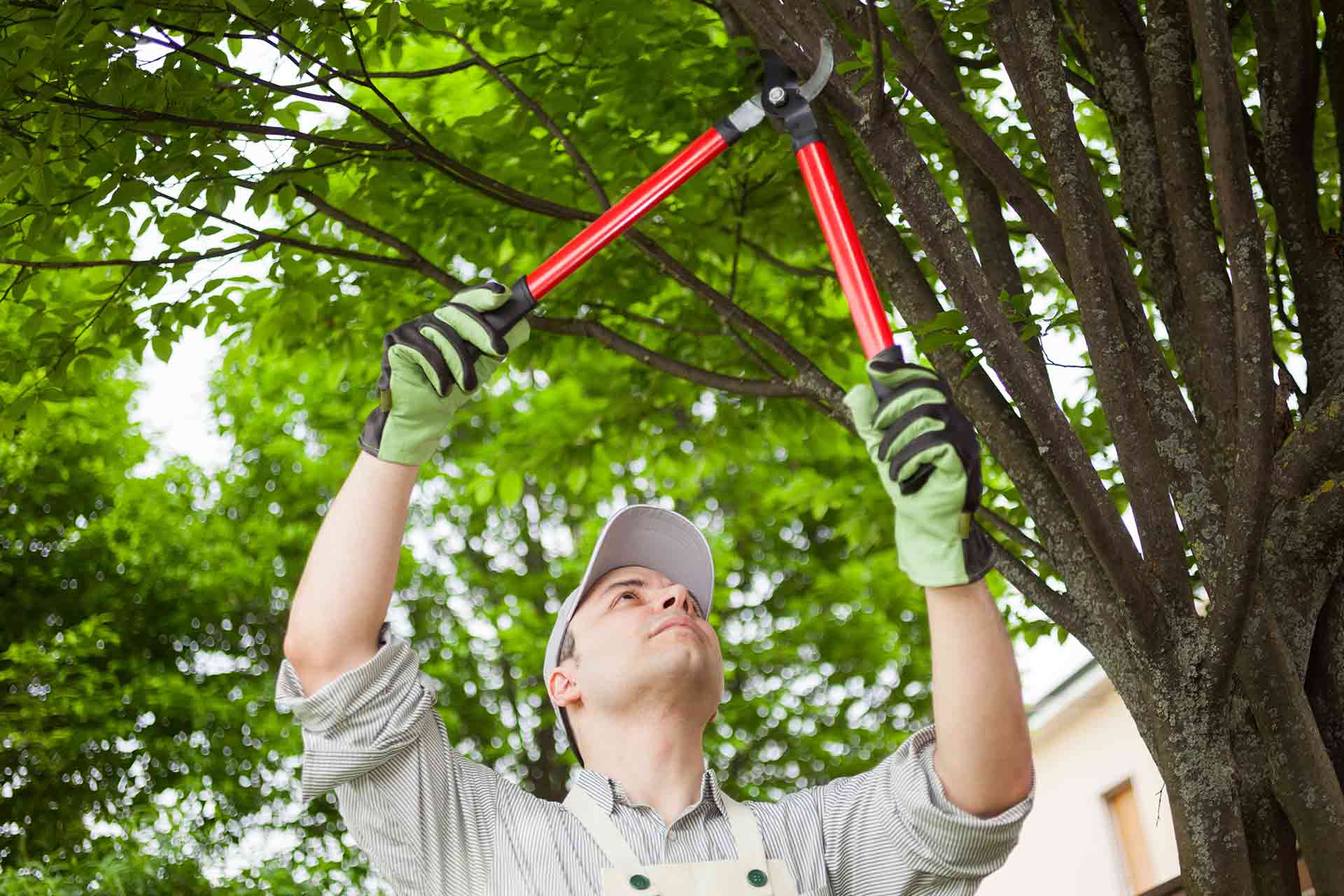
Canopies reveal important health indicators. Dead or hanging branches pose immediate risks. Dense growth may block airflow and cause stress. Inspecting the canopy helps identify hazardous limbs. Pruning can improve safety.
How can weather conditions increase tree risks?
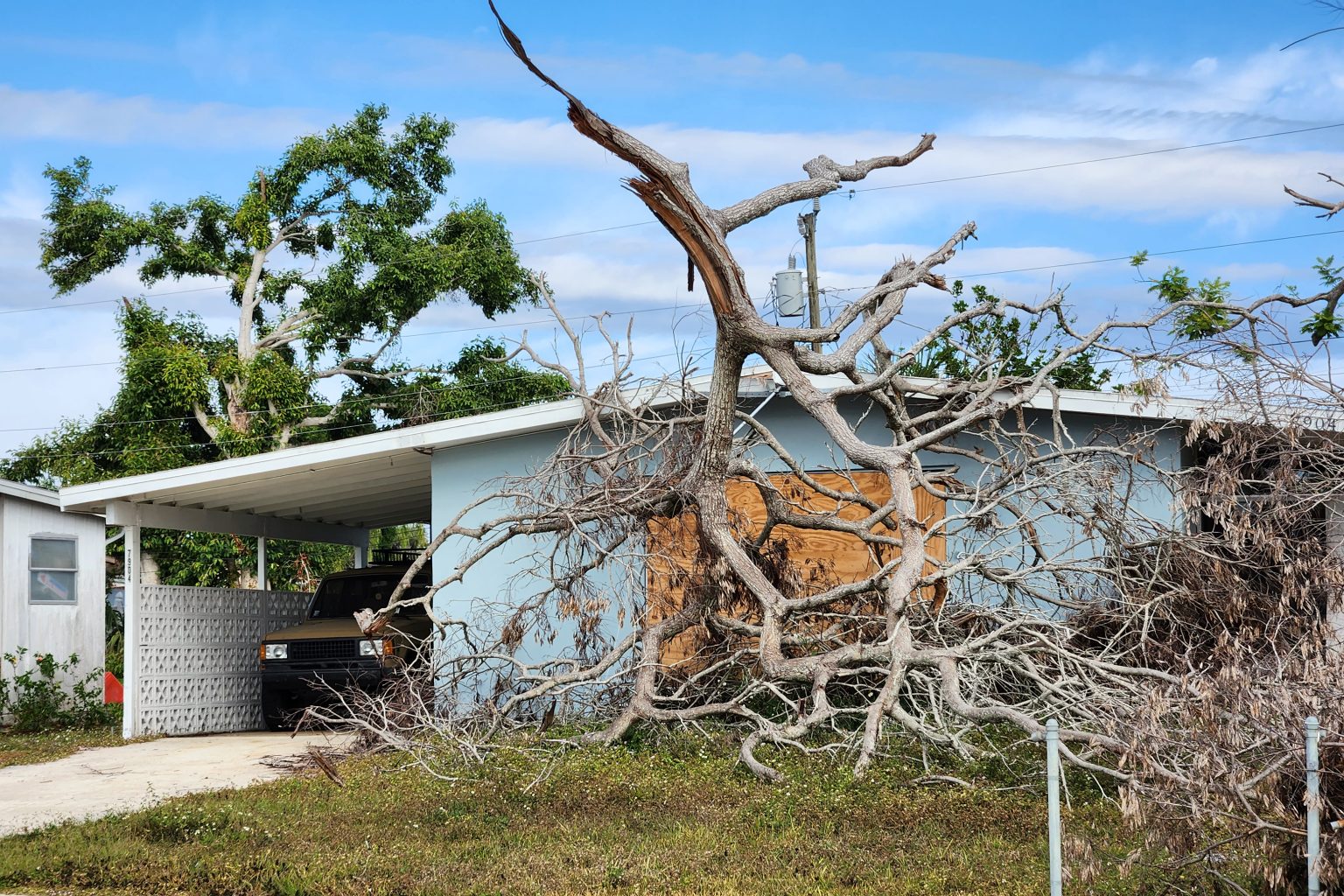
Storms, strong winds, and heavy rain can weaken trees. Saturated soil reduces root grip. High winds may break unstable branches. Seasonal weather changes impact tree health. Monitoring after storms is crucial.
What role does disease play in tree hazards?
Diseases weaken structural integrity. Fungal growth or discoloration may indicate infection. Infected trees may lose strength over time. Early detection prevents spread and failure. Treatment or removal may be necessary.
How does tree age influence risk?
Older trees may develop decay or hollow sections. Aging reduces structural resilience. Regular inspections help monitor aging effects. Proactive care maintains stability. Aging trees require careful attention.
Why is professional evaluation recommended?
Certified arborists can identify hidden risks. They assess structural integrity and recommend solutions. Professional evaluations provide accurate insights. Expert guidance improves safety decisions. Skilled assessments reduce uncertainty.
How can landscaping impact tree safety?
Improper grading or nearby construction may weaken trees. Soil compaction affects root growth. Landscaping changes can stress trees. Proper planning preserves stability. Maintaining healthy surroundings supports safety.
When should tree removal be considered?
Removal is necessary when risks outweigh benefits. Severely damaged or diseased trees may threaten safety. Professional advice ensures informed decisions. Timely removal prevents accidents. Safety should always be the priority.
Final Thought
Assessing tree risks is a vital part of maintaining a safe and healthy property. By recognizing warning signs and seeking professional guidance, homeowners in Saint Petersburg can prevent potential hazards and protect their surroundings. Regular monitoring ensures trees remain assets rather than liabilities.
How often should trees be inspected?
Annual inspections are recommended, especially after storms.
Can diseased trees be saved?
Some can be treated, depending on severity.
Do leaning trees always pose a risk?
Not always, but sudden leaning may signal instability.
Is professional assessment necessary?
Yes, experts can detect hidden structural issues.
When should a tree be removed?
When it becomes unsafe due to damage or disease.
Business Address: 6901 9th Avenue North, St.Petersburg, FL 33710
Phone: +1 727-256-5615
Email: [email protected] stuff