Hazardous Tree Removal Techniques Florida & Surrounding Areas
Hazardous tree removal techniques in Florida and surrounding areas are essential for protecting homes, businesses, and public spaces from falling limbs and unstable trees. Florida’s weather conditions, including hurricanes, heavy rain, and strong winds, increase the risk of tree damage and structural instability. Proper evaluation and safe removal practices help prevent property damage and personal injury. Professional planning ensures that trees are removed efficiently while minimizing impact on surrounding structures and landscapes. Specialized equipment and trained crews are necessary to manage high-risk situations safely. Understanding the right techniques helps property owners make informed decisions when dealing with dangerous trees.
What makes a tree considered hazardous in Florida?
A tree is considered hazardous when it shows signs of decay, leaning, structural cracks, or storm damage that threaten nearby property. Professionals often assess structural integrity before performing Hazardous Tree Removal to prevent sudden collapse. Weak root systems and hollow trunks increase failure risk during storms. Early identification helps reduce damage and liability concerns. Professional evaluation ensures proper action is taken safely.
How do professionals assess the risk level of a damaged tree?
Experts inspect the trunk, branches, root system, and surrounding soil conditions. Arborist Services provide detailed evaluations to determine whether removal or treatment is necessary. Advanced assessment tools help detect internal decay that may not be visible. Accurate diagnosis prevents unnecessary removal. Proper evaluation ensures safety and efficiency.
What techniques are used to safely remove unstable trees?
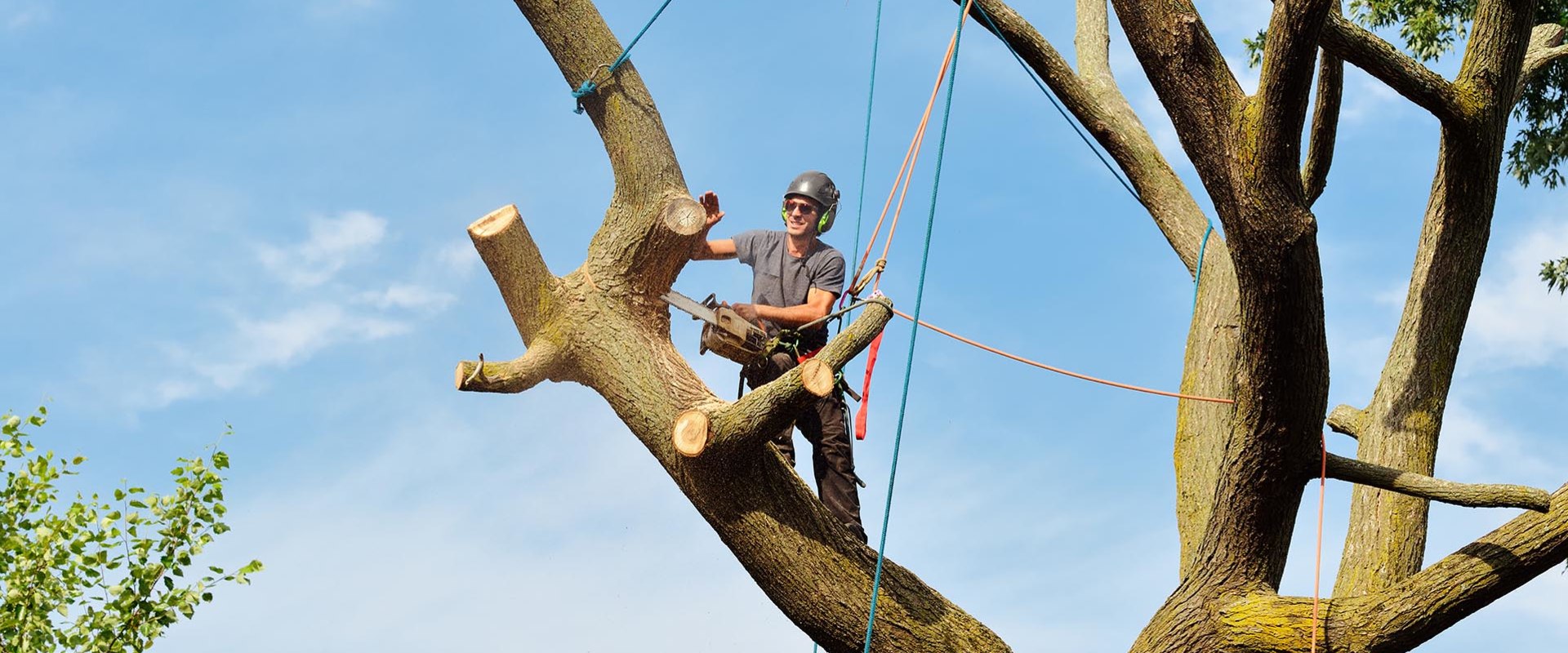
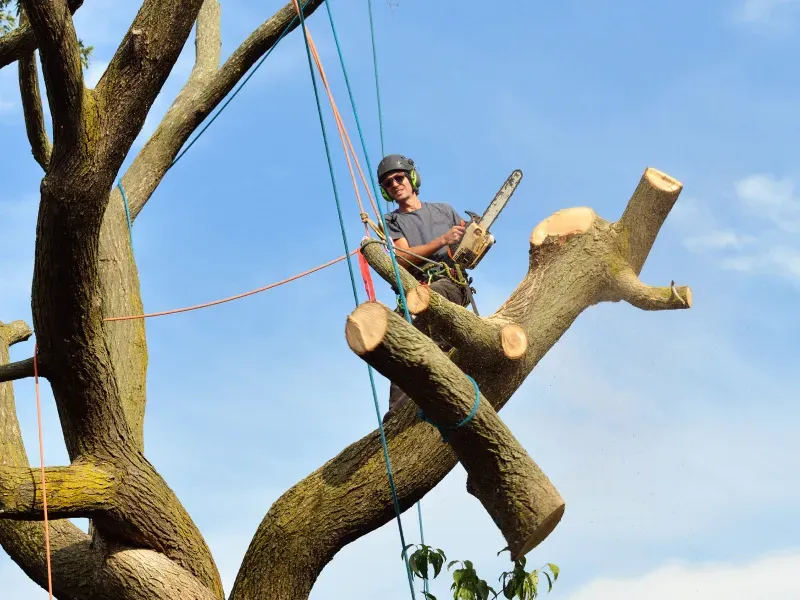
Controlled cutting methods and sectional dismantling are commonly used for high-risk trees. Tree Removal is performed in stages to prevent falling debris from damaging nearby structures. Professionals use ropes, harnesses, and heavy equipment to guide tree sections safely to the ground. Careful planning reduces risk. Safety protocols protect workers and property.
How does emergency response improve tree removal outcomes?
Quick response is critical after storms or sudden tree failure. 24-Hour Emergency Tree Service ensures dangerous trees are addressed immediately to prevent additional damage. Prompt action reduces risk to people and property. Emergency crews are trained to handle urgent situations efficiently. Rapid response protects surrounding areas.
Can trimming reduce the risk of hazardous tree failure?
Yes, removing weak or overextended branches reduces stress on the tree structure. Tree Trimming helps improve balance and stability, especially in high-wind regions. Preventive trimming decreases the chance of falling limbs. Regular maintenance improves overall tree health. Proper care lowers long-term risk.
What equipment is commonly used in hazardous removal projects?
Specialized chainsaws, cranes, and safety harness systems are often required. Tree Removal crews use protective gear and advanced tools to manage dangerous conditions. Equipment selection depends on tree size and location. Proper tools ensure precision and safety. Professional equipment minimizes hazards.
Why is professional expertise necessary for high-risk removals?
High-risk removals involve complex safety considerations and structural analysis. Arborist Services provide expert knowledge of tree biology and structural integrity. Trained professionals understand how to minimize risk during cutting. Experience improves accuracy and efficiency. Professional handling prevents accidents.
How do weather conditions impact hazardous tree removal?
High winds, rain, and unstable soil can complicate removal efforts. 24-Hour Emergency Tree Service teams monitor weather conditions before starting work. Safety assessments are adjusted based on environmental factors. Careful planning reduces additional risk. Weather awareness improves safety outcomes.
Can hazardous trees be treated instead of removed?
In some cases, structural support or trimming may stabilize a tree. Arborist Services evaluate whether treatment is a safe alternative. If structural damage is severe, removal may be necessary. Proper assessment determines the best course of action. Treatment options depend on tree condition.
What steps are taken after a hazardous tree is removed?
After removal, debris is cleared and the site is secured. Tree Removal services ensure surrounding areas are cleaned and safe. Additional Tree Trimming may be recommended for nearby trees to prevent future risks. Proper cleanup restores property safety. Follow-up care improves landscape stability.
Final Thought
Hazardous tree removal techniques in Florida require professional expertise, proper equipment, and careful planning to ensure safety. Addressing unstable trees promptly protects property, improves landscape health, and reduces long-term risks.
How do I know if a tree is dangerous?
Signs include leaning trunks, cracked branches, and visible decay. Professional inspection provides accurate evaluation.
Can storm-damaged trees recover without removal?
Some trees may recover with proper trimming and support. Severe structural damage often requires removal.
Is emergency tree service available after storms?
Yes, emergency response teams are available to handle urgent situations. Quick service reduces property damage.
Does tree removal require special permits in Florida?
Permit requirements vary by location. Consulting local authorities ensures compliance.
How can I prevent hazardous tree issues in the future?
Regular inspections and maintenance reduce the risk of dangerous conditions. Preventive care improves long-term tree health.
Business Address: 6901 9th Avenue North, St.Petersburg, FL 33710
Phone: +1 727-256-5615
Email: [email protected] stuff